

Our itinerary
2027
Europe meets Africa
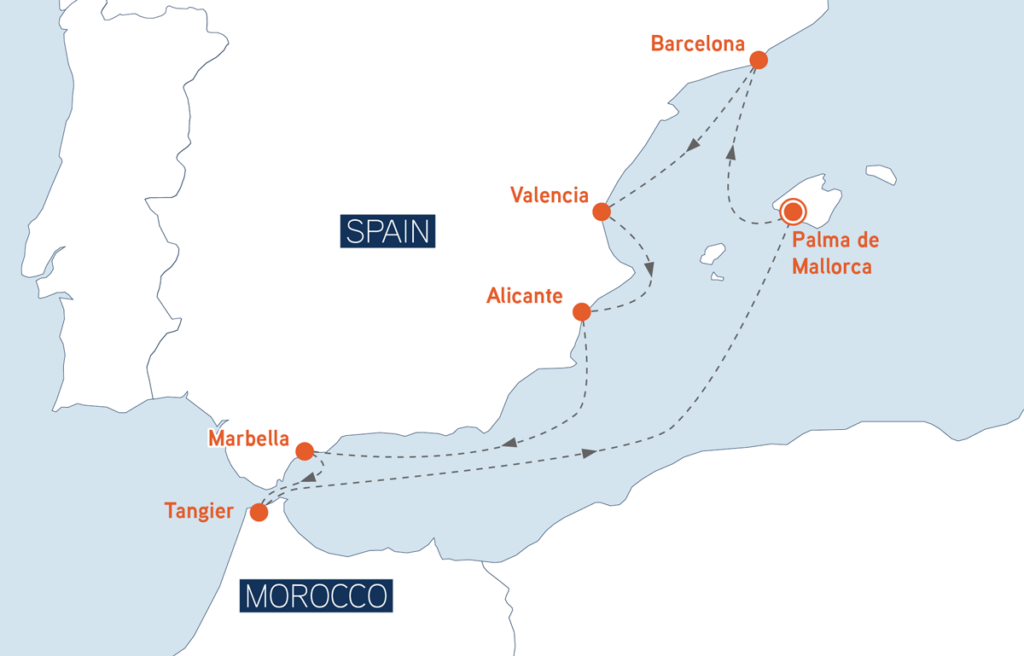
From 15 to 22 October 2027, it’s time once again to set sail on the hottest gay cruise in the Mediterranean! A week packed with sunshine, parties, culture and plenty of queer joie de vivre awaits you.
The trip starts in Palma de Mallorca, where we’re planning a welcome reception the evening before; it’s the perfect place to extend your holiday, as it has excellent connections from all over Europe and even offers direct flights from the US.
| Arr | Dep | ||
| 15 Oct | Palma de Mallorca (Spain) Embarkation: 15:00 – 17:00 | 23:00 | |
| 16 Oct | Barcelona (Spain) | 8:00 | 19:00 |
| 17 Oct | Valencia (Spain) | 8:00 | 20:00 |
| 18 Oct | Alicante (Spain) | 7:00 | 16:00 |
| 19 Oct | Marbella (Spain) | 8:00 | 23:00 |
| 20 Oct | Tangier (Morocco) | 8:00 | 19:00 |
| 21 Oct | Day at sea | ||
| 22 Oct | Palma de Mallorca (Spain) | 7:00 |
Barcelona
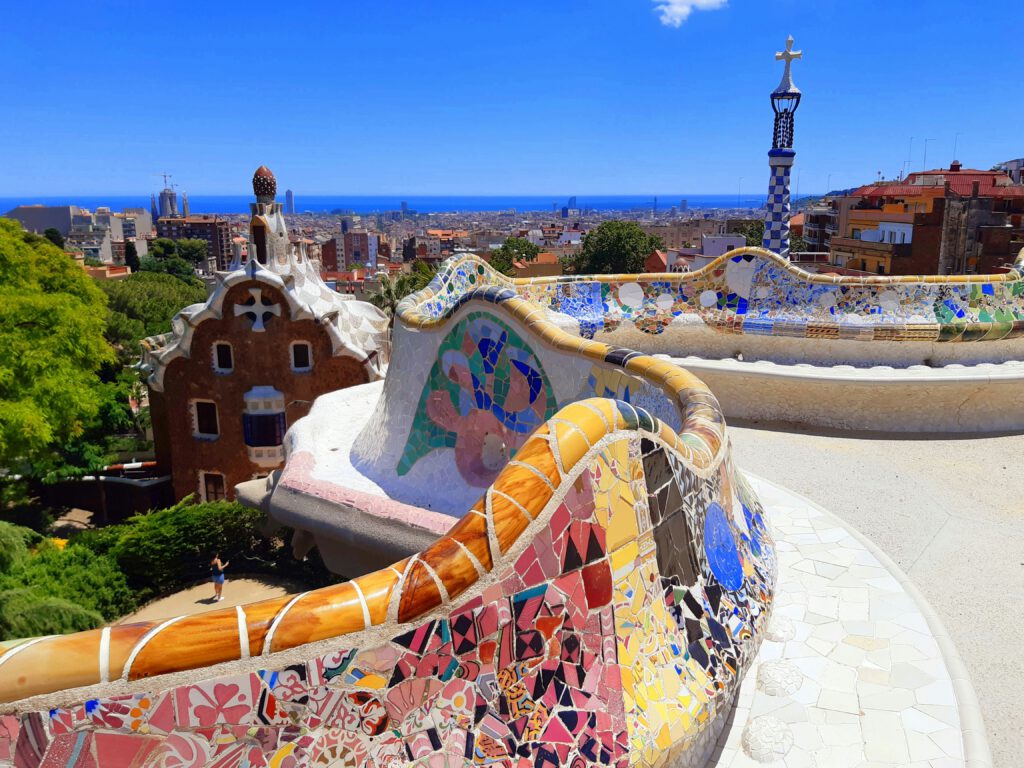
Then it’s time to say “Ready to cruise!” and head for Barcelona – Spain’s queer capital. The “Gaixample” district is lined with stylish bars and clubs. Right from the harbour, you can stroll along the famous Las Ramblas promenade. Majestic buildings such as the Gran Teatre del Liceu and the historic Mercat de la Boqueria tell the story of the city’s eventful history as you walk along the way.
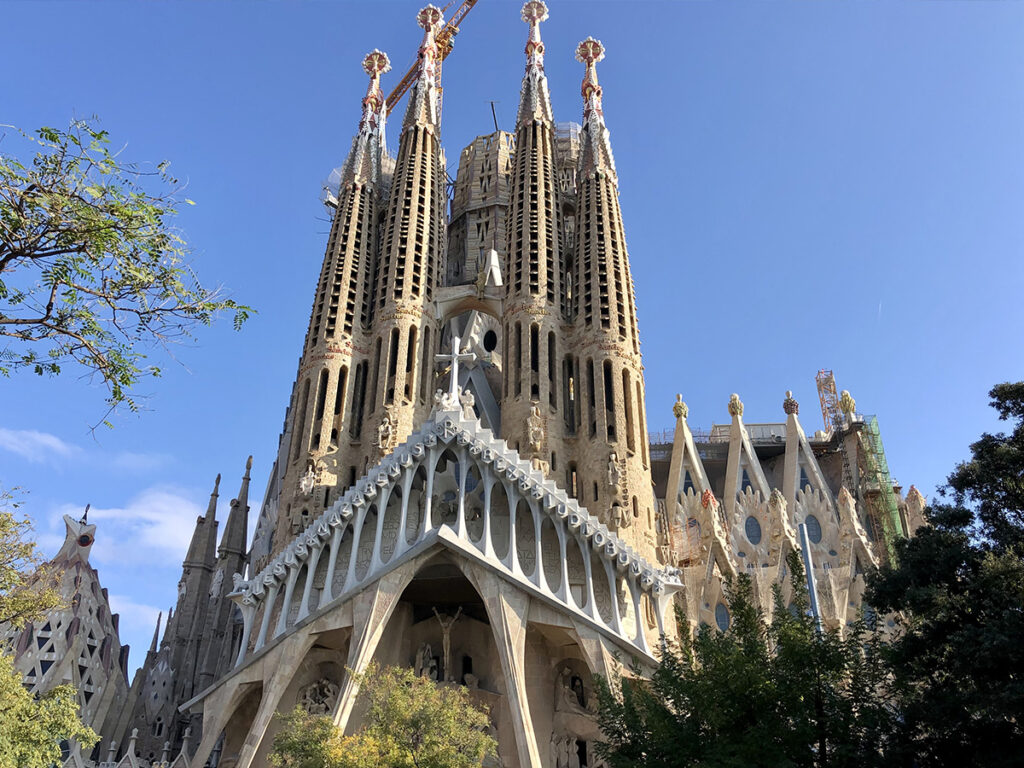
The Ramblas are also a feast for the senses when it comes to food: in the numerous restaurants and cafés, you can enjoy Catalan specialities or international delicacies. Those who prefer to soar above the hustle and bustle can take the nearby harbour cable car. It offers one of the most impressive views of the city. Immediately upon alighting, a sweeping panoramic view opens up over Port Vell, the Mediterranean Sea, the Old Town and the beaches of Barceloneta. Right next to it lie the Miramar Gardens with their Mediterranean vegetation and shaded paths. From here, you can easily walk to the Castell de Montjuïc. Definitely worth a visit is arguably the city’s most iconic building, the Sagrada Familia Cathedral – the magnum opus of the visionary architect Antoni Gaudí. Within it, architecture, nature and Christian theology merge into a unique spiritual concept. Those more drawn to the beach can reach Sitges’ gay beach by train in just 30 minutes for around €5 – to see and be seen.
Valencia
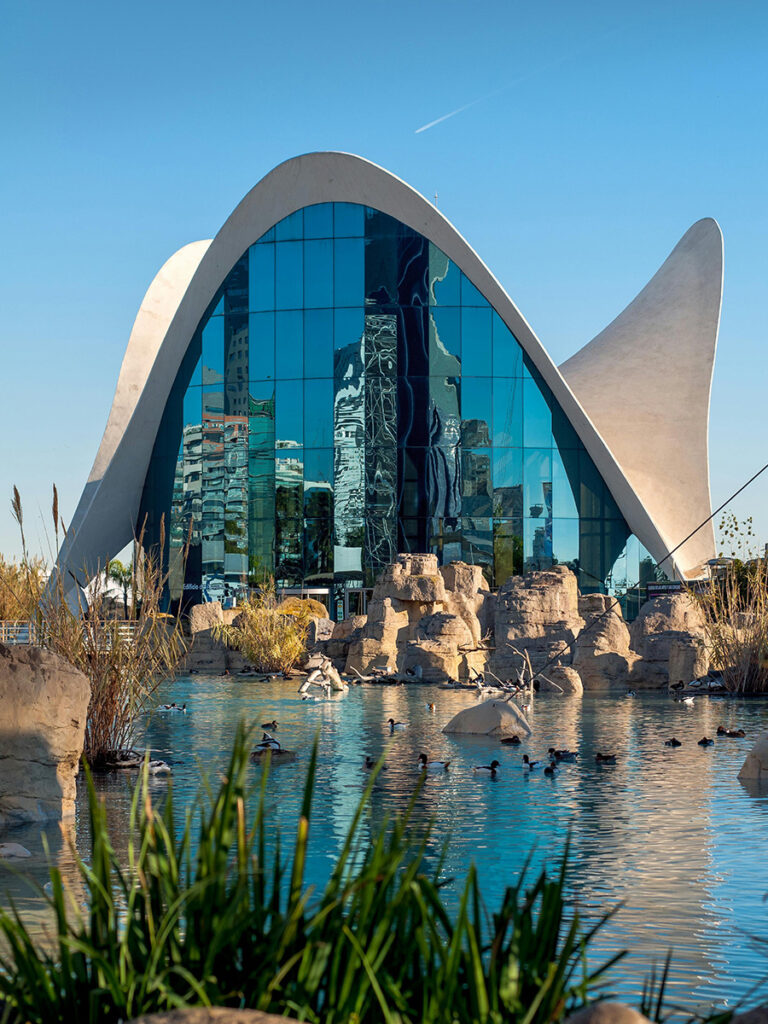
Valencia captivates visitors with an extraordinary blend of history, modern architecture and Mediterranean charm. The city’s landmark is the spectacular City of Arts and Sciences. The futuristic buildings designed by star architect Santiago Calatrava – including the opera house, science museum and oceanarium – are among the most impressive architectural complexes in Europe. The historic old town offers a striking contrast. Valencia Cathedral combines Romanesque, Gothic and Baroque elements. From the Miguelete Tower, a sweeping view opens up over the city’s rooftops. A stroll through the Mercado Central market hall reveals regional specialities and vibrant everyday culture. The former course of the River Turia has been transformed into the extensive Jardín del Turia – a green oasis for walks or sport. Just a few minutes away lies Playa de la Malvarrosa, where golden sand and sunsets create that quintessential Mediterranean holiday atmosphere. Valencia is regarded as cosmopolitan and LGBT-friendly. The queer nightlife is particularly vibrant in the El Carmen district, with bars, clubs and cultural initiatives. In 2026, the city will also host the Gay Games.
Alicante
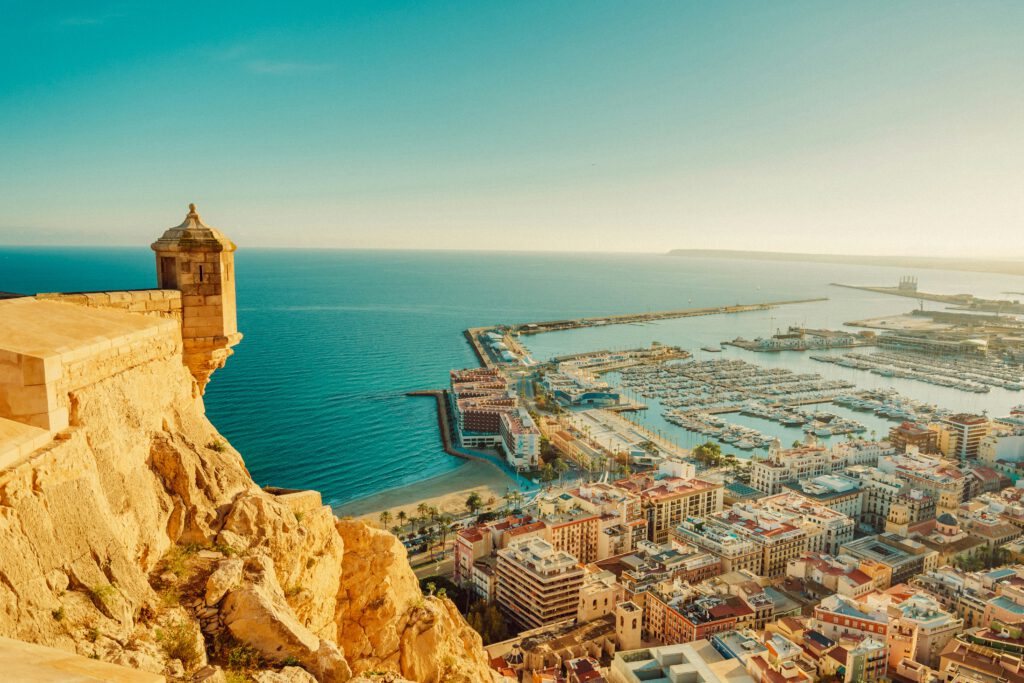
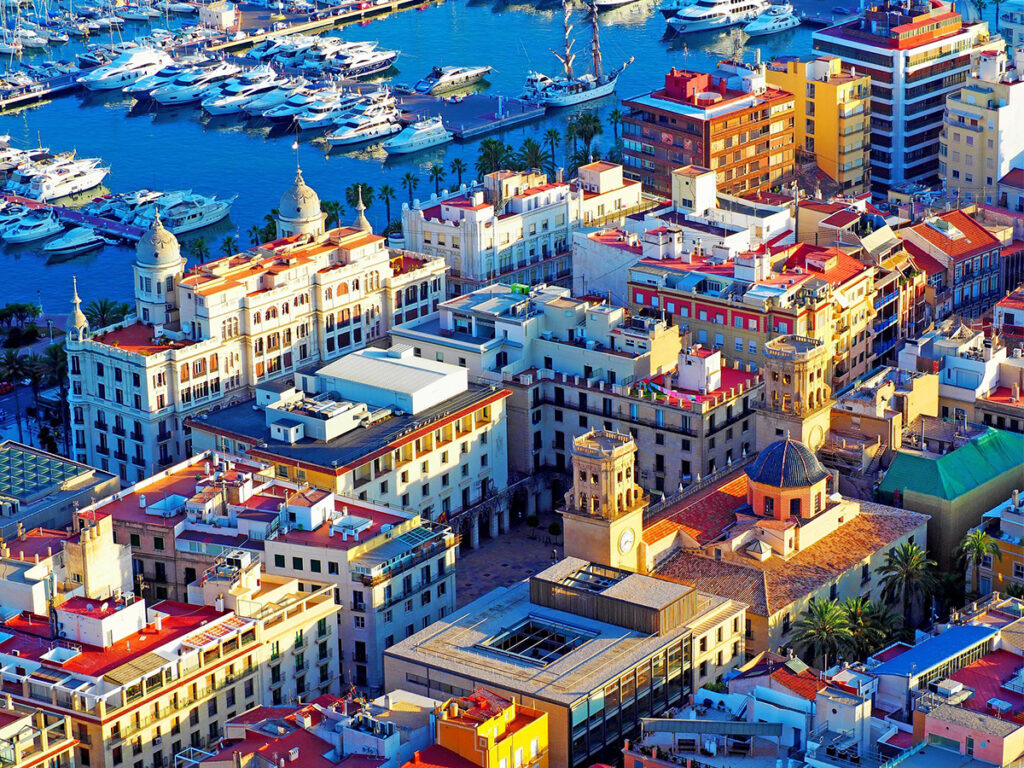
Alicante, on Spain’s Costa Blanca, combines a Mediterranean way of life with an open-minded urban atmosphere. The city is regarded as relaxed, tolerant and international – ideal conditions for a visit, including for travellers from the LGBT community. High above the city, the Castillo de Santa Bárbara stands on Monte Benacantil. The fortress not only offers insights into Moorish and Spanish history, but also spectacular views over the harbour, the old town and the Mediterranean – particularly atmospheric at sunset. Directly below, the Explanada de España, with its characteristic mosaic of over six million tiles, invites you to take a stroll. Palm trees, street cafés and street performers create a lively atmosphere. Just a few steps away lies the centrally located city beach, Playa del Postiguet, which is a meeting place for locals and international visitors alike. The historic El Barrio district around the Concatedral de San Nicolás delights with its narrow streets, tapas bars and vibrant nightlife. This is also where part of the LGBT-friendly scene is concentrated. Alicante has several gay bars and clubs, particularly in the old town. Furthermore, Alicante’s proximity to Benidorm, one of Spain’s best-known LGBT hotspots, makes it even more attractive.
Marbella
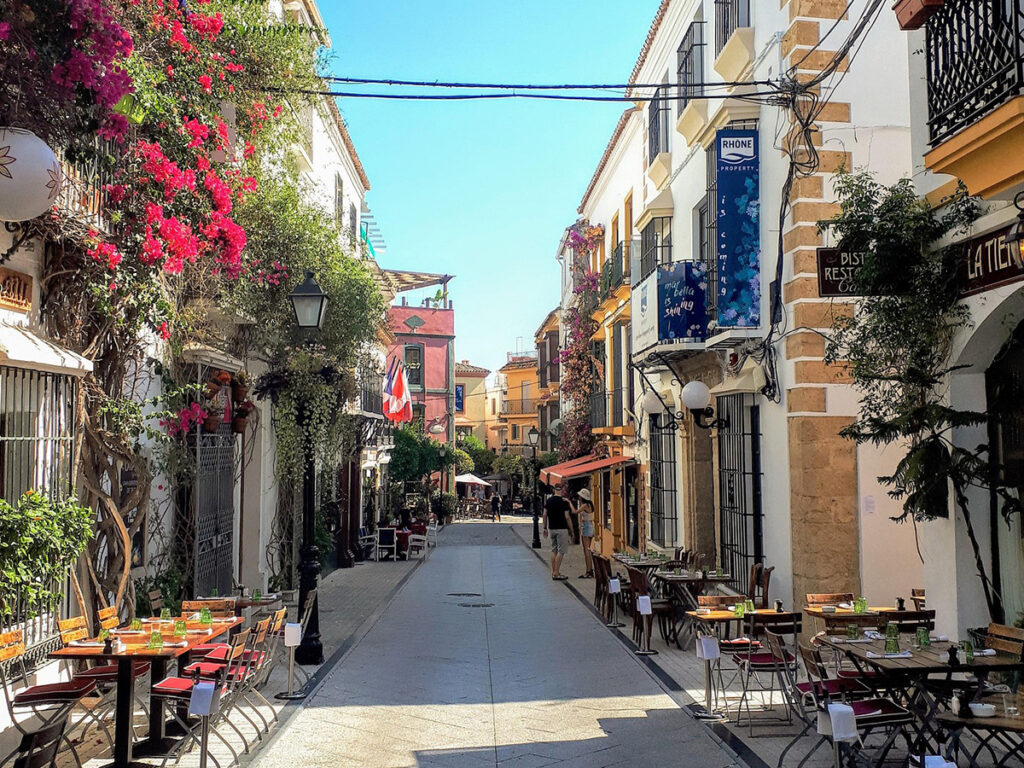
Marbella on the Costa del Sol has been synonymous with sun, style and international flair for decades – and has also developed into an open, LGBT-friendly destination. Particularly for cruise passengers who dock in nearby Málaga or choose Marbella for an exclusive shore excursion, the town combines Andalusian tradition with cosmopolitan ease. The historic old town, with its white houses, orange trees and small squares, offers Mediterranean romance away from the jet set. In contrast, Puerto Banús is characterised by luxury yachts, designer boutiques and a vibrant nightlife. Here – and along the beach promenade – there are numerous gay-friendly bars, beach clubs and restaurants that attract an international crowd. Just an hour’s drive away lies Torremolinos, considered one of the most traditional gay-friendly destinations on Spain’s southern coast. The scene centres around the La Nogalera district, where you’ll find lively terraces and gay-friendly beach clubs on El Bajondillo beach.
Tanger
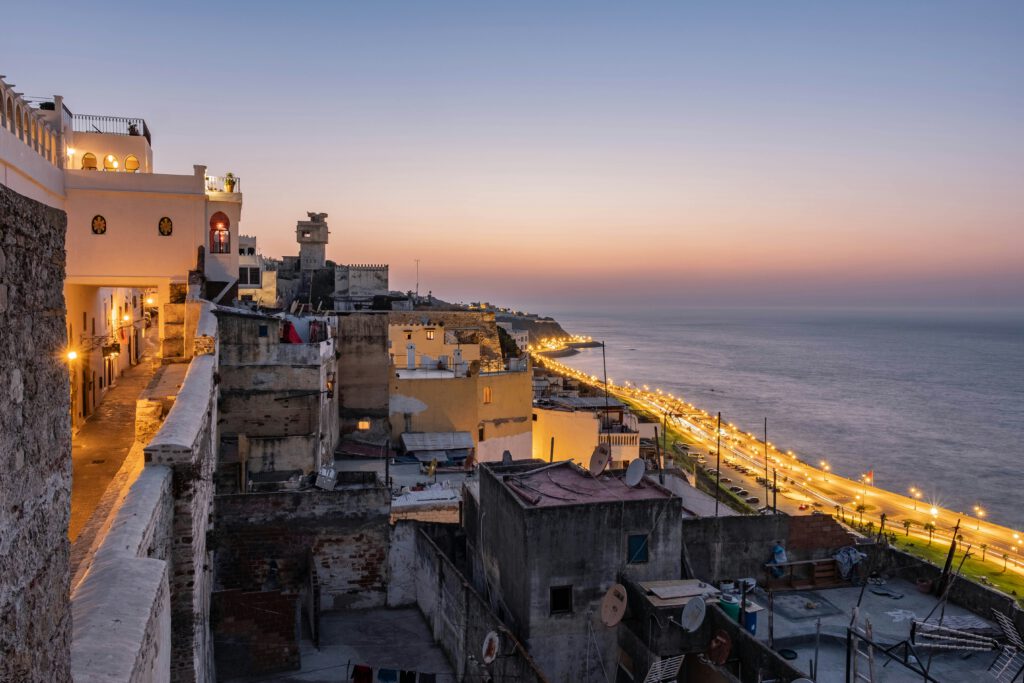
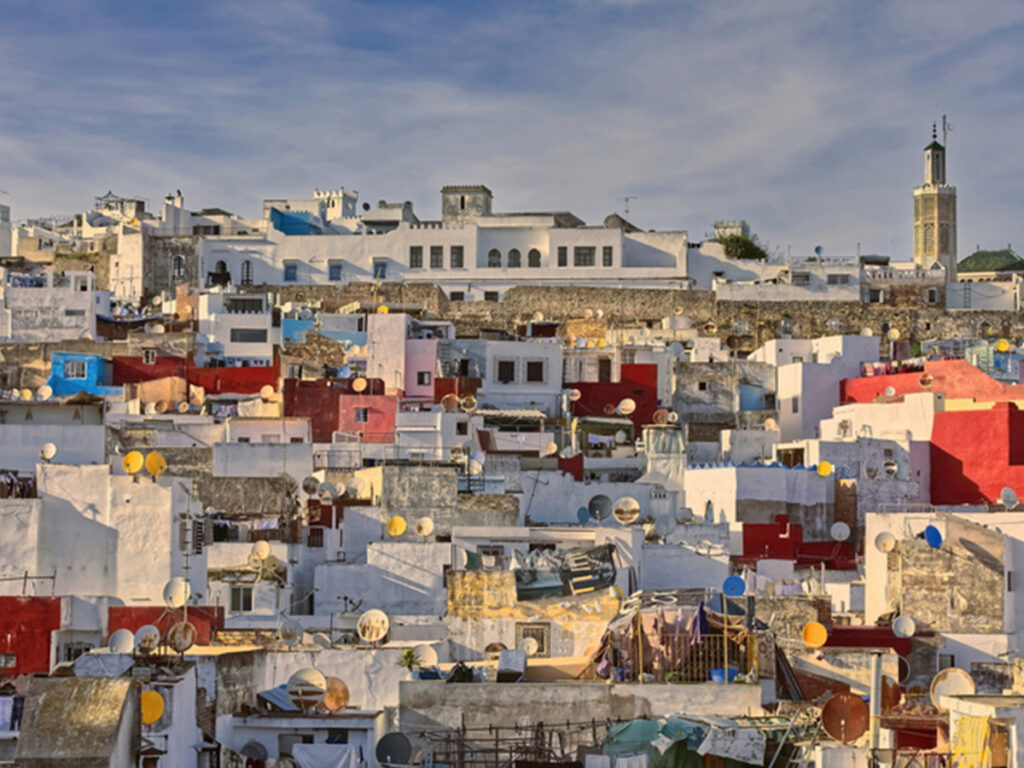
Tangier, situated in northern Morocco, has fascinated travellers from all over the world for centuries. Its strategic location on the Strait of Gibraltar has made the city a cultural melting pot where Arab, Andalusian and European influences converge. At the heart of the city lies the historic medina, with its narrow alleyways, whitewashed houses and bustling souks. Here, visitors can experience authentic Moroccan daily life, discover handcrafted goods and enjoy traditional cuisine in small restaurants overlooking the sea. High above the medina stands the Kasbah, the former fortress of the sultans. From its walls, an impressive panoramic view opens up across the Bay of Tangier to the Spanish coast. In the 20th century, the city was an international hub for artists and writers, a legacy that continues to give it a cosmopolitan flair to this day. Museums, galleries and cafés serve as reminders of this creative past. At the same time, modern seafront promenades and city beaches invite visitors to relax.
Palma de Mallorca
To kick off and round off our cruise, we recommend staying at the new Terreno Barrio. There, we’ll be hosting a welcome party with DJ Nelson Cerqueira at the hotel’s own club the night before. The hotel is just 1.5 kilometres from the cruise terminal. Exclusively for our cruise, you can book your stay using the promo code SPARTACUSTERRENO.
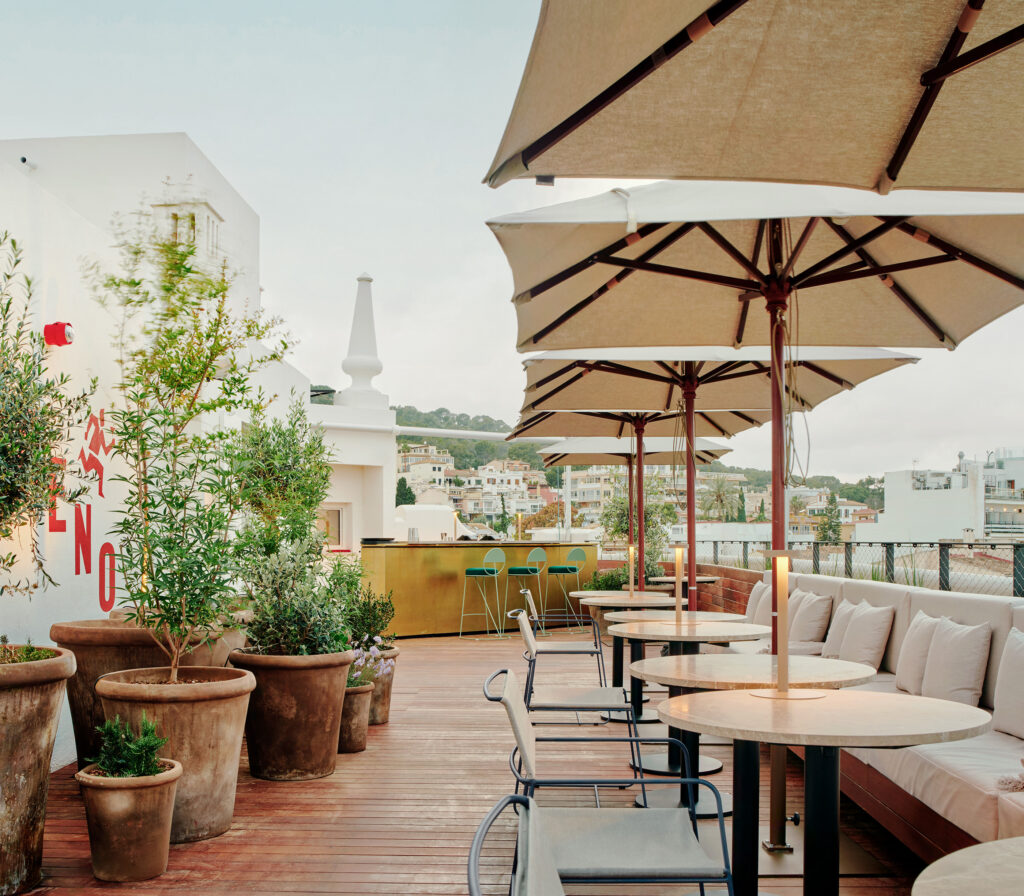
The Terreno Barrio Hotel is one of Palma de Mallorca’s newest boutique hotels, but it stands on ground rich in LGBTQ+ history. For almost three decades, this was the home of the legendary Black Cat, one of the island’s most influential gay clubs. Rather than following a conventional hotel concept, Terreno Barrio focuses on creating inviting social spaces, lush green courtyards and a close connection with the surrounding neighbourhood. One of its standout features is the spacious rooftop terrace with a swimming pool, offering panoramic views across the rooftops of El Terreno and the Bay of Palma. Comfortable lounge seating, Mediterranean landscaping and a stylish rooftop bar make it the perfect place to unwind with a sunset cocktail while embracing the relaxed lifestyle for which Palma de Mallorca has long been famous.